
Verse by verse · Original language · Ancient context
You're readinga 2,000-year-old text…Through 2026 eyes.
Tap a verse and get the words as they were written, the world behind them, and the threads tying prophecy to fulfilment. Evidence only — archaeology first, then manuscripts and ancient records. Where the evidence runs out, you are told so.
What if you could ask the Bible
the question…
The questions that stop a serious reader
What did that Greek word actually mean?
What was happening politically?
What did archaeology uncover?
Was that really a prophecy?
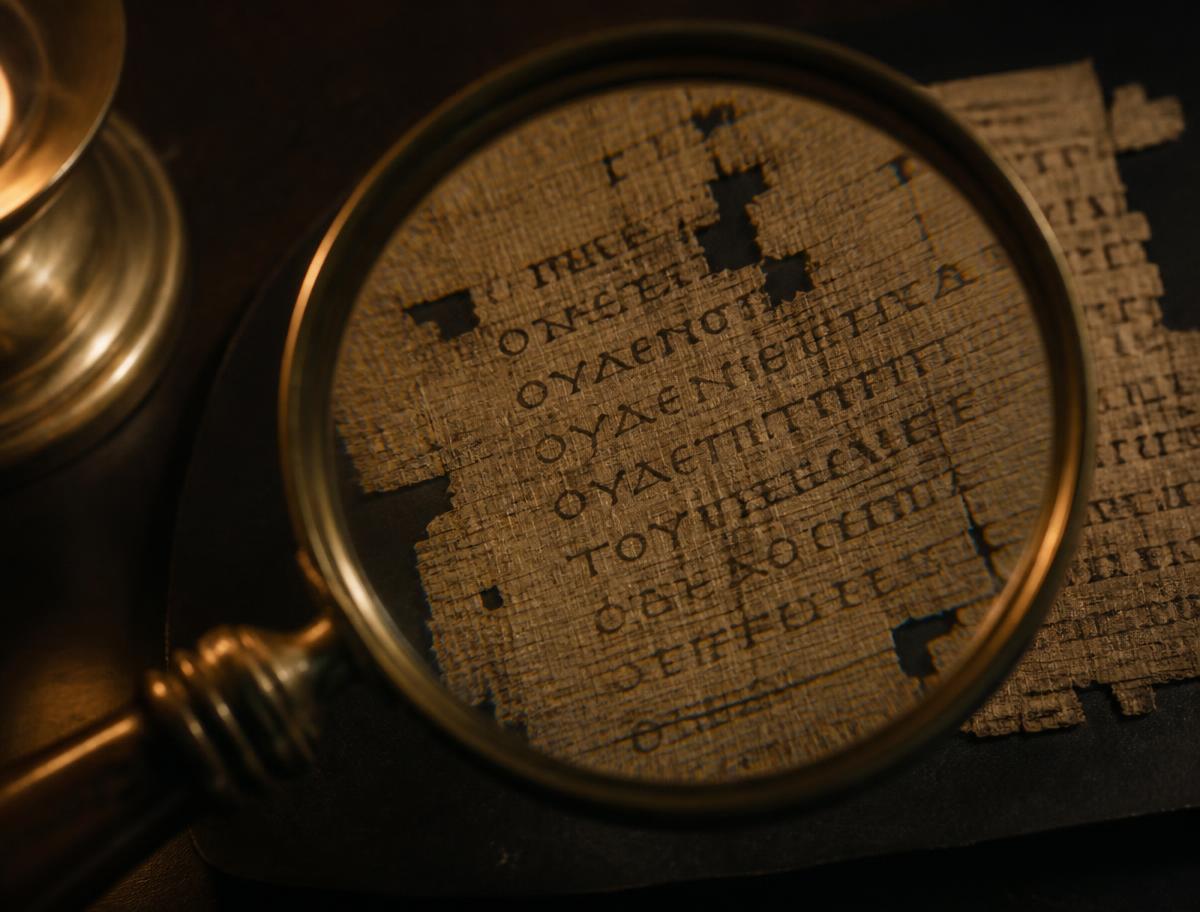

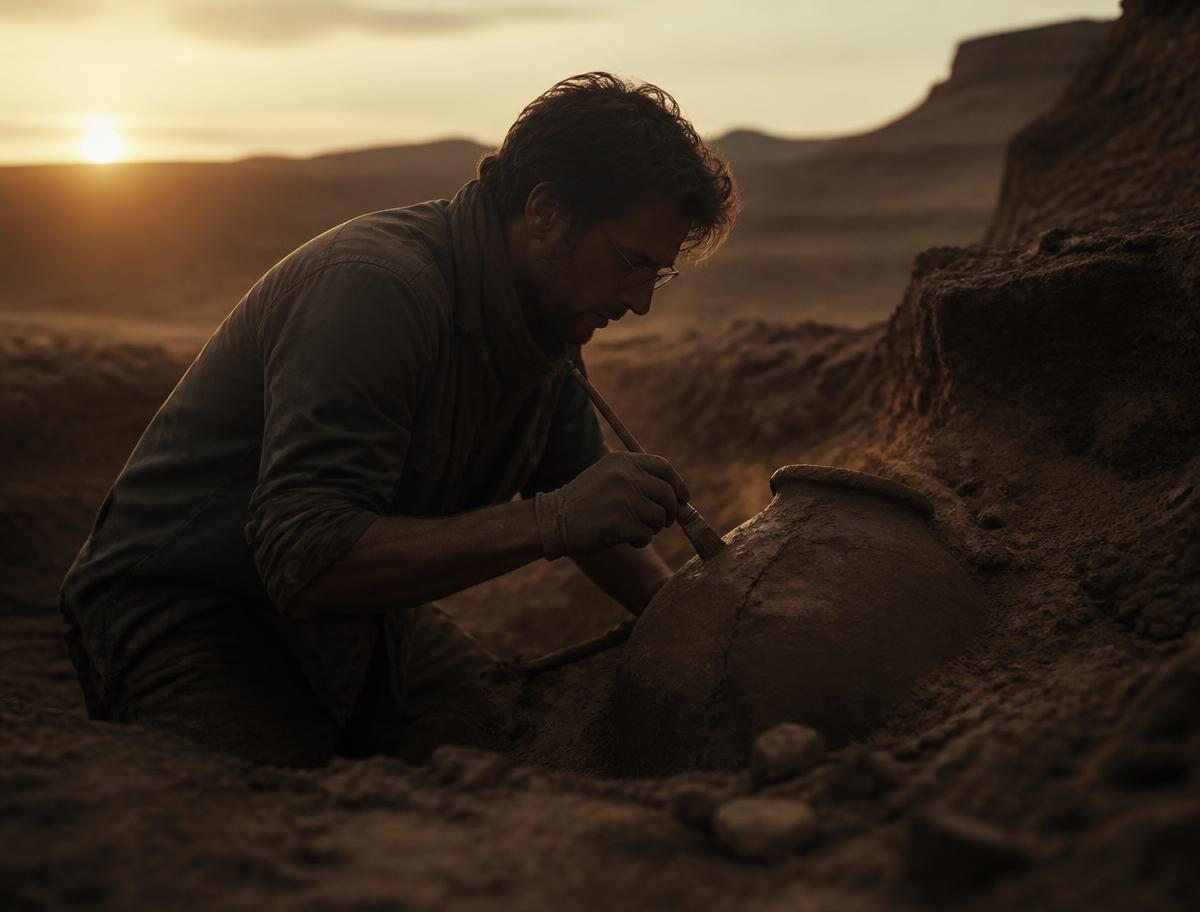
What if you couldask the Bible
the question…
And research the evidence in seconds?
Why it is called The Reply
A question asked in faith deserves an answer you can actually reach.
As Christians we run into questions constantly. Why does the text say that word there? What did a first-century listener hear that we miss entirely? Is this passage really pointing forward to Christ, or are we reading it back into the page? Who believed what about this verse, and when?
Answering even one of those questions honestly has always meant hours of work across a dozen places — an interlinear, a lexicon, a Bible dictionary, an atlas, a history of the period, several commentaries that disagree, and a stack of open browser tabs. Most people never get that far, not because they lack the desire but because they lack the shelf, the training, and the time.
The Reply consolidates those sources into one place and hands back what they say — gathered, plainly worded and cited. It is the reply to the question you would have spent an evening chasing. Not an opinion, not a denominational verdict; the evidence, and where the evidence runs out, an honest account of what has been believed instead.
The old way
Ten reference books, four disagreeing commentaries, an evening gone, and a question still half-answered.
The Reply
Tap the verse. The words, the world, the hearing and the threads — sourced, dated and readable in minutes.
The discipline
Evidence only. Excavations, inscriptions and manuscripts outrank every opinion, and opinions are left out.
Preview The Reply
Ask the question. This is the shape of the answer.
Every reply carries the verse you are on as context, reports only what the evidence supports — archaeology first, then manuscripts and ancient records — flags where the evidence runs out, and names each piece of evidence it drew from. No scholarly opinion, no denominational verdict.
Asked with Luke 4:16–30 in view
Why did the crowd react so violently when Jesus read Isaiah in Nazareth?
The Reply
Luke reports approval first — the crowd “wondered at the gracious words.” The turn comes when Jesus applies the passage by citing two episodes from Israel's own scriptures: Elijah sent past every widow in Israel to a Sidonian widow at Zarephath, and Elisha cleansing Naaman the Syrian while lepers in Israel remained unhealed.
In a small Galilean village under Roman occupation, the claim that God's relief had historically bypassed Israel to reach gentiles was not an abstraction; it touched honour, covenant standing, and the local expectation that a hometown prophet would benefit his own town first.
Precisely which element triggered the reaction is not decided by the sources. What follows is what has actually been argued, and by whom — not a conclusion.
What was historically believed
Offence at the omission
Read from at least the patristic period onward: Jesus stops mid-sentence, before “the day of vengeance of our God,” withholding the judgement on the nations the audience expected to hear.
Offence at the examples
Argued from the text itself: the two prophets cited are sent to a Sidonian widow and a Syrian general — relief given to outsiders while Israel went without.
Drawn from Isaiah 61 (MT and LXX) · 1 Kings 17 · 2 Kings 5 · Josephus on Galilean village life · synagogue lectionary studies
Seven layers, folded until you want them
- 01
Plain Sense
What the verse says, stated neutrally
- 02
Original Language
Word by word, with the full range of meaning
- 03
The World Behind It
Geography, custom, politics, economy, daily life
- 04
Ancient Ears
How the first hearer would have received this
- 05
Threads
Prophecy and echo, in both directions
- 06
The Evidence
What has actually been dug up, written down and dated
- 07
Life Application
How this verse can be lived out today
Don't just read the words.
Enter their world.

Ask the hard question.